Introduction
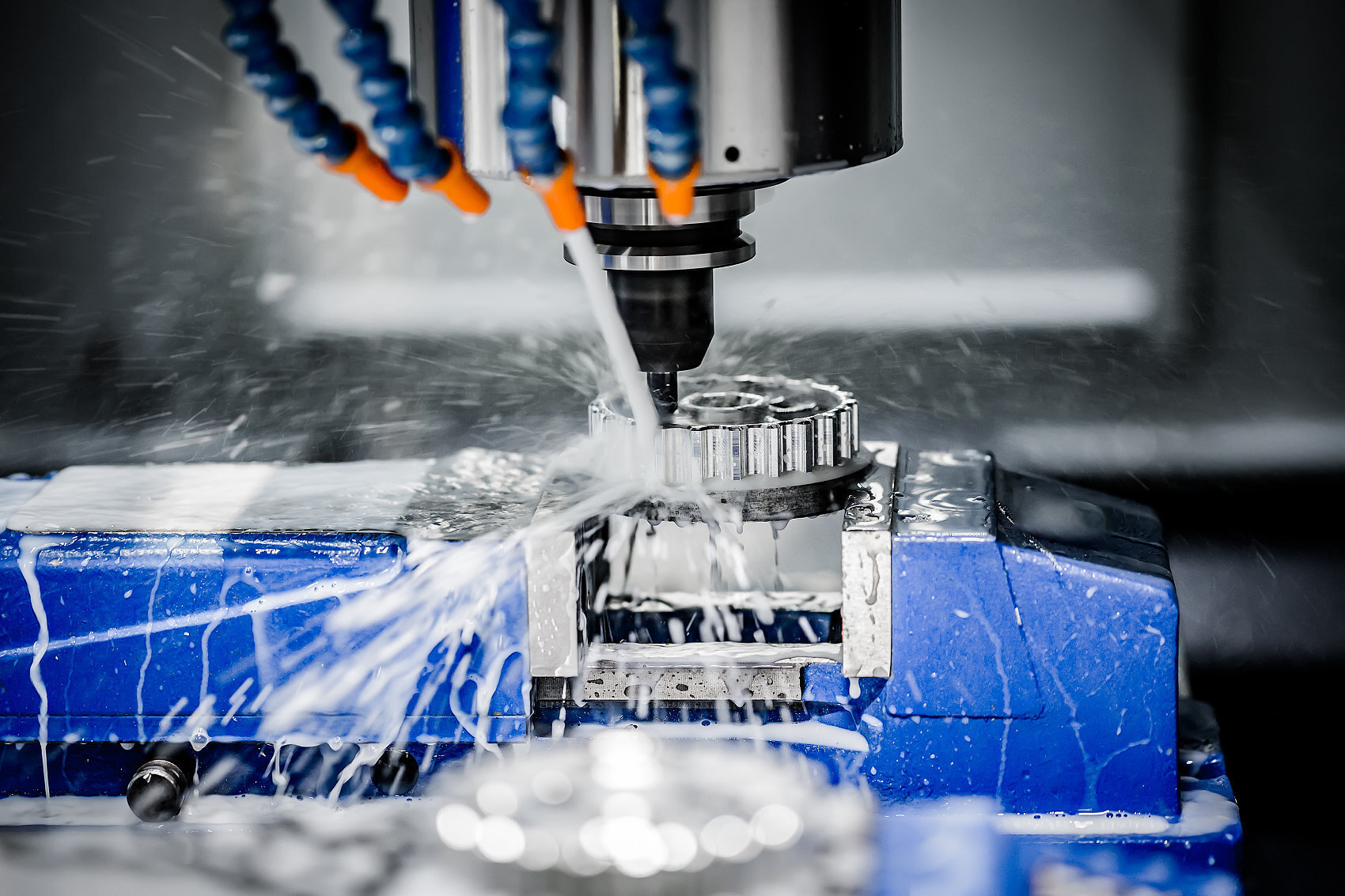
Computer Numerical Control (CNC) technology has revolutionized modern manufacturing by introducing precision, automation, and efficiency into machining processes. From small workshops to large industrial plants, CNC systems are now essential for producing high-quality components with consistent accuracy. As industries continue to evolve, understanding the core elements of CNC technology has become increasingly important for manufacturers, engineers, and designers.
CNC machines rely on advanced programming and automated control to operate cutting, shaping, and drilling processes. This eliminates much of the manual effort involved in traditional machining while significantly improving speed and repeatability.
Understanding CNC Technology
CNC technology operates by converting digital designs into machine-readable instructions. These instructions guide the machine’s movements, ensuring precise control over every cut and operation. This level of automation reduces human error and allows for complex designs that would be difficult to achieve manually.
At the heart of this system are mechanical components, cutting instruments, and digital control systems working together to produce accurate results across a wide range of materials.
Role of Tools in CNC Machining
The cutting instruments used in CNC machines play a crucial role in determining the quality of the final product. Different materials and designs require specific cutting solutions to achieve clean finishes and accurate dimensions. CNC Tools are designed to handle tasks such as milling, drilling, turning, and engraving with exceptional precision.
These tools are manufactured using durable materials to withstand high speeds and continuous operation. Proper tool selection and maintenance directly impact machining efficiency, surface quality, and production costs.
Importance of Software in CNC Operations
Equally important to the mechanical components is the software that controls the machine’s behavior. CNC programs translate digital designs into commands that guide tool movement, speed, and depth. CNC Softwares enable operators to create, simulate, and optimize machining processes before actual production begins.
By using advanced programming solutions, manufacturers can reduce errors, minimize material waste, and improve overall productivity. Simulation features also help identify potential issues before machining starts, saving time and resources.
Benefits of CNC Automation
One of the biggest advantages of CNC technology is consistency. Machines can produce identical parts repeatedly without variation, making them ideal for mass production and precision engineering. Automation also reduces labor costs and enhances workplace safety by limiting direct human interaction with cutting equipment.
With the right combination of equipment and programming, CNC systems support faster turnaround times and higher output quality. CNC Tools combined with optimized software allow manufacturers to meet strict tolerances and demanding production schedules.
Applications Across Industries
CNC technology is widely used in industries such as aerospace, automotive, electronics, furniture manufacturing, and medical equipment production. Its ability to handle complex geometries and diverse materials makes it suitable for both prototyping and large-scale manufacturing.
From precision engine components to decorative design elements, CNC systems enable creativity while maintaining technical accuracy. CNC Softwares further expand these capabilities by supporting advanced design integration and automation.
Future of CNC Technology
As technology advances, CNC systems are becoming smarter and more connected. Integration with artificial intelligence, cloud-based monitoring, and advanced analytics is shaping the future of manufacturing. These innovations aim to improve efficiency, reduce downtime, and enhance decision-making in production environments.
Businesses that invest in modern CNC solutions are better positioned to adapt to changing market demands and maintain a competitive edge.
Conclusion
CNC technology has become a cornerstone of modern manufacturing, offering precision, efficiency, and scalability. By combining advanced mechanical systems with intelligent programming, CNC machines deliver reliable results across various industries.
Understanding the role of tools, software, and automation helps businesses maximize productivity and embrace the future of digital manufacturing.