Suçculent, your go-to place for exploring the fascinating world of plants that thrive where others struggle. When we talk about suçculent plants, we’re talking about nature’s masters of survival. These plants have evolved a clever way to live in harsh environments by storing water in thick leaves, stems, or roots. That simple but powerful adaptation allows them to survive long periods without rain while still maintaining their beauty and vitality.
Across deserts, rocky landscapes, and dry coastal regions, suçculent plants have quietly adapted for thousands of years. Today, they have also found a special place in our homes, gardens, and workspaces. People love them not just because they are easy to care for, but because they offer endless shapes, colors, and textures that bring life to any environment.
In this guide, we’ll explore what makes suçculent plants unique, how they evolved, the different types we can grow, and how we can care for them successfully.
Meaning
The word suçculent refers to plants that store water in specialized tissues. These tissues can be located in leaves, stems, or roots. Because of this internal water storage system, these plants can survive in dry climates where rainfall is rare.
The thick, fleshy appearance of these plants is not just for looks. It is a survival strategy. By storing water inside their structure, they create their own reserve that keeps them alive during drought.
This natural ability explains why suçculent plants are common in deserts, rocky mountains, and other dry regions. Instead of depending on frequent rainfall, they rely on their stored water.
For us as plant lovers, this trait makes them extremely convenient. They require less watering than most houseplants, making them perfect for beginners and busy lifestyles.
Origins
Suçculent plants are not limited to one part of the world. They have evolved independently in many different regions where dry conditions forced plants to adapt.
We can find them in deserts across Africa, the Americas, and parts of Asia. Some grow in rocky hillsides, while others appear in coastal environments where soil drains quickly.
These plants did not all come from the same family. Instead, different plant groups developed similar water-storage strategies over time. This phenomenon is known as convergent evolution, where unrelated species evolve similar features because they face similar environmental challenges.
That is why suçculent plants can look incredibly different from one another while still sharing the same water-saving ability.
Adaptation
The most impressive feature of suçculent plants is their adaptation to drought conditions. Their structure is designed to capture, store, and conserve water as efficiently as possible.
The leaves of many suçculent plants are thick and waxy. This waxy coating helps reduce water loss by slowing down evaporation. Some plants even have tiny pores that open mostly at night to reduce moisture loss during hot daytime hours.
Their roots also play an important role. Many suçculent plants develop shallow but wide root systems that quickly absorb rainwater before it evaporates. When rain does fall, these roots capture as much moisture as possible.
In addition, some species can shrink slightly during drought periods. This allows them to conserve water and survive until the next rainfall.
These adaptations make them some of the toughest plants on the planet.
Appearance
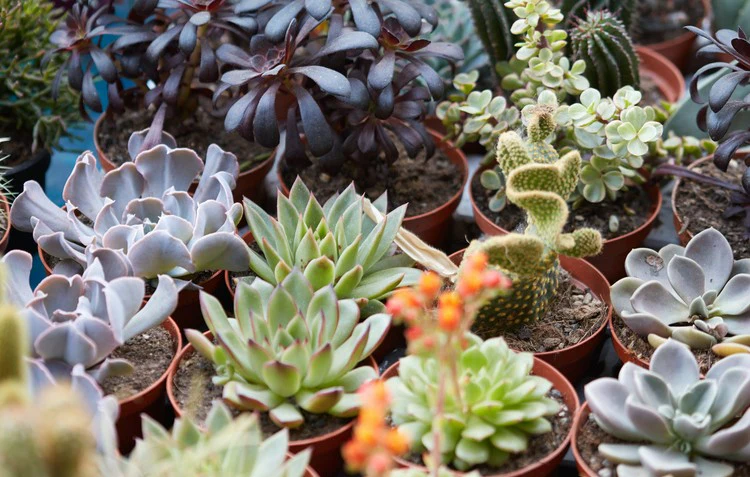
One reason suçculent plants are so popular today is their incredible variety in appearance. No two species look exactly alike.
Some have compact rosette shapes that look like natural sculptures. Others grow tall with stacked leaves or branching stems. Some resemble small trees, while others spread across the soil like living carpets.
Their colors are equally fascinating. We can find suçculent plants in shades of green, blue, purple, pink, and even silver. Some species change color depending on sunlight exposure or seasonal changes.
Textures also vary widely. Some leaves are smooth and glossy, while others are covered in tiny hairs or powdery coatings.
This diversity makes them perfect for creative plant arrangements and decorative displays.
Types
Although there are thousands of suçculent species, several general categories stand out.
Leaf Succulents
These plants store water mainly in their leaves. The leaves are thick, fleshy, and often arranged in rosettes or clusters. Many of the most popular indoor succulents belong to this category.
Stem Succulents
Instead of storing water in leaves, these plants store it inside their stems. Their stems are usually thick and cylindrical, allowing them to hold large amounts of moisture.
Some stem succulents look similar to cacti, though not all of them are true cacti.
Root Succulents
A smaller group of succulents stores water primarily in their roots. These underground reserves help the plant survive long dry periods when water is unavailable.
Each type demonstrates a different survival strategy, showing how creative nature can be when adapting to extreme environments.
Benefits
Suçculent plants offer more than just visual appeal. They also bring several practical benefits that make them excellent additions to homes and gardens.
First, they are extremely low maintenance. Unlike many plants that require frequent watering and constant attention, succulents can thrive with minimal care.
Second, they improve indoor environments. Plants naturally help refresh air and create a calming atmosphere.
Third, they add aesthetic value. Because of their shapes and colors, they work beautifully in modern interior design. Many people use them to decorate desks, shelves, windowsills, and outdoor patios.
Finally, they encourage mindfulness. Caring for plants often creates a sense of connection with nature, which can reduce stress and promote relaxation.
Growing
Growing suçculent plants is surprisingly easy when we understand their basic needs.
The most important factor is proper drainage. Succulents dislike sitting in wet soil because their roots can rot quickly. Using well-draining soil designed for desert plants is the best option.
Containers should also have drainage holes so excess water can escape.
Watering should be done carefully. Instead of frequent light watering, it is better to water deeply and then allow the soil to dry completely before watering again.
Sunlight is another key requirement. Most succulents prefer bright light and thrive in sunny windows or outdoor spaces where they receive several hours of sunlight each day.
With the right conditions, these plants can grow slowly but steadily for many years.
Indoor Life
Suçculent plants are particularly well suited for indoor environments. Their compact size and low water needs make them ideal for apartments, offices, and small homes.
A sunny windowsill is often the perfect spot. Some species can even adapt to indirect light, although growth may slow slightly.
Indoor succulents benefit from occasional rotation so that all sides receive equal sunlight. This prevents them from leaning toward the light source.
Another advantage of indoor succulents is their decorative potential. Small pots, glass containers, and creative arrangements can turn them into living art pieces.
Many people enjoy creating mini succulent gardens that combine several species in one container.
Outdoor Gardens
In warmer climates, suçculent plants can thrive outdoors year-round. They are especially popular in drought-resistant landscaping.
Because they require little water, they are ideal for regions where water conservation is important. Rock gardens, desert landscapes, and minimalist garden designs often feature succulents as the main attraction.
Outdoor succulents also grow larger and more vibrant than indoor ones because they receive more natural sunlight.
Some gardeners create entire landscapes built around these plants, mixing different shapes and heights to create striking visual contrasts.
Propagation
One of the most exciting aspects of suçculent plants is how easily many of them can be propagated.
Propagation simply means growing new plants from parts of an existing one.
Some succulents can grow from a single leaf. If the leaf is placed on dry soil and left undisturbed, it may eventually develop roots and form a tiny new plant.
Others can be propagated through stem cuttings. A small cutting can be planted in soil where it will develop roots and grow into a full plant.
This process makes succulents perfect for sharing with friends and expanding our own plant collections.
Challenges
Even though suçculent plants are hardy, they are not completely immune to problems.
Overwatering is the most common mistake. Because these plants store water, they do not need frequent watering. Too much moisture can cause root rot and kill the plant.
Insufficient sunlight can also affect their growth. Without enough light, succulents may stretch or lose their compact shape.
Pests can occasionally appear as well, though they are usually easy to manage with proper care.
By observing our plants closely and adjusting their environment, we can solve most problems quickly.
Culture
Over the past decade, suçculent plants have become a cultural trend. Social media platforms are filled with beautiful photos of succulent gardens and decorative arrangements.
Plant enthusiasts enjoy collecting rare varieties, experimenting with creative displays, and sharing tips with others.
Workshops and gardening communities dedicated to succulents have also become more popular. These communities encourage people to learn about plant care while connecting with others who share the same passion.
In many ways, succulents have become symbols of simple living and appreciation for nature.
Future
As interest in sustainable living grows, suçculent plants will likely become even more important in gardening and landscaping.
Their ability to thrive with limited water makes them ideal for regions affected by climate change and water shortages.
Urban gardeners are also turning to succulents because they require less maintenance and adapt well to small spaces.
Researchers continue studying these plants to better understand their survival mechanisms. Their water-storage abilities may even inspire future agricultural innovations.
Conclusion
Suçculent plants are more than just decorative greenery. They represent resilience, adaptability, and the quiet genius of nature. Through their ability to store water and survive in difficult conditions, they teach us how life can thrive even in the harshest environments.
For us, they offer beauty, simplicity, and a connection to the natural world. Whether placed on a windowsill, arranged in a garden, or shared with friends through propagation, succulents bring a sense of calm and creativity into everyday life.
As we continue exploring and growing these remarkable plants, we also gain a deeper appreciation for the ways nature solves problems. And that may be the most inspiring lesson that suçculent plants have to offer.
Explore the latest entertainment news and reviews at Magazine High Light.