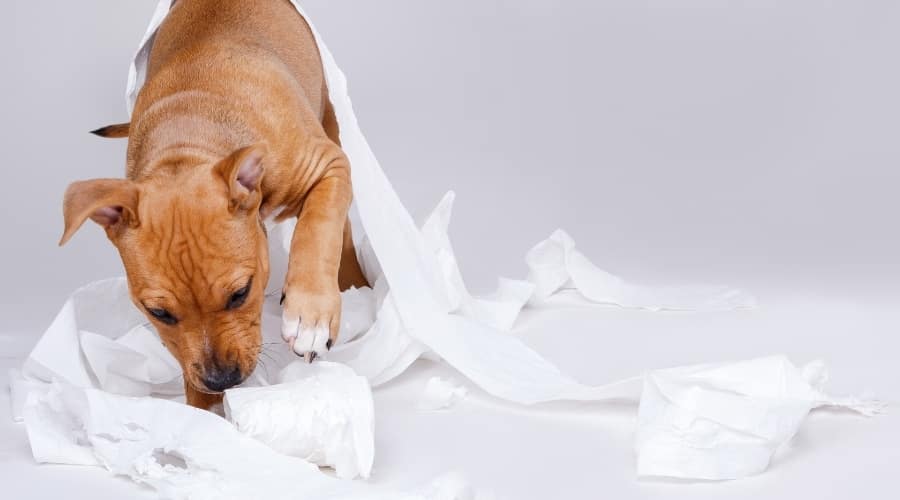
Dogs explore the world with their mouths, which sometimes leads them to eat unusual items — including paper towels. While paper towels might not seem harmful at first glance, swallowing them can lead to digestive upset or even blockage, depending on how much was eaten and your dog’s size. Understanding the signs to watch for, when to act, and how to help your pet can make a critical difference. For a detailed guide on what happens after ingestion and what symptoms to expect, check out dog ate paper towel what to do.
Why Dogs Eat Non‑Food Items
Eating non‑food items — known as pica — can occur for several reasons. Some dogs chew or swallow paper towels out of boredom, anxiety, or curiosity. Others may be seeking attention or mimicking chewing behavior. In rare cases, underlying medical issues such as nutritional deficiencies or gastrointestinal discomfort can trigger pica. Understanding the motivation helps you address not only the immediate risk but also long‑term behaviors.
Immediate Steps After Ingestion
If you catch your dog right after they’ve eaten a paper towel, first stay calm — panicking can distress your dog. Try to estimate how much was consumed and note the time of ingestion. Remove any remaining paper towels or other tempting objects from their reach. Monitor your dog closely for the next few hours for any signs of distress while preparing to contact your veterinarian.
Signs of Digestive Discomfort
Not all paper towel ingestion leads to serious issues, but digestive upset is common. Watch for symptoms such as vomiting, diarrhea, decreased appetite, lethargy, or abdominal discomfort. Some dogs may strain in the yard without producing stool, which can be a sign of partial blockage. Keep a close eye on your dog’s behavior and bowel movements in the hours following ingestion.
When to Call the Vet
Contacting your veterinarian early is always a good idea when your dog eats something unusual. If the ingestion involved a small piece and your dog shows no symptoms, your vet may recommend home monitoring. However, if your dog shows persistent vomiting, signs of pain, bloating, vomiting without producing waste, or weakness, seek veterinary attention promptly. These could be signs of an obstruction that requires medical intervention.
How Obstructions Happen
Paper towels may seem harmless, but they can expand when wet and cluster together in the digestive tract. This expansion can lead to a blockage, which prevents food and water from passing normally. Obstructions can develop quickly, especially in small dogs or those that consumed larger amounts. A blockage is a medical emergency and needs to be addressed by a veterinarian without delay.
Supporting Your Dog at Home
For mild cases where your veterinarian advises home care, keep your dog’s environment calm and supervised. Offer small amounts of water to prevent dehydration, but don’t force large quantities as that can trigger vomiting. Avoid giving treats or rich foods until your dog’s digestive system stabilizes. Keep an eye on their energy levels and bathroom habits, and be ready to call your vet if symptoms worsen.
For additional tips on managing your dog’s health and avoiding hazards like household objects, visit PetsCare.
Preventing Paper Towel Ingestion
Prevention is key to keeping your dog safe. Store paper towels, napkins, and other tempting items out of reach — in cabinets or on high shelves. Provide appropriate chew toys and interactive play to satisfy your dog’s need to chew and explore. Regular exercise and mental stimulation can reduce boredom‑related chewing. Training commands like “leave it” or “drop it” are also valuable tools for preventing ingestion of inappropriate items.
Special Considerations for Puppies and Small Breeds
Puppies and small‑breed dogs are more vulnerable to blockages due to their smaller digestive tracts. Even a small piece of paper towel can expand and cause trouble. Puppies are naturally curious and may chew more frequently than adult dogs, so extra supervision during playtime and walks around the house is important for this age group.
What to Expect at the Veterinary Clinic
If your vet suspects an obstruction, they may perform diagnostic tests such as X‑rays, ultrasound, or bloodwork. These help determine the size and location of the foreign material. Mild cases might pass on their own with veterinary guidance, but significant blockages often require medical or surgical intervention. The sooner a diagnosis is made, the better the prognosis usually is.
Recovery and Follow‑Up Care
After treatment, your dog may need a special diet and rest to support digestive healing. Your veterinarian will recommend a feeding plan, medications if needed, and signs to watch for during recovery. Follow‑up visits ensure your dog’s system is functioning normally and that no residual issues remain.
When Eating Paper Towels Becomes a Habit
If your dog repeatedly eats non‑food items, discuss this with your veterinarian. Habitual ingestion — even of seemingly harmless objects — could indicate behavioral issues or underlying health concerns that need addressing. A combination of training, environmental management, and veterinary guidance can help curb this behavior.
The Importance of Observation
Being observant of your dog’s habits and changes in behavior is one of the best ways to protect their health. Quick reactions, knowing when to call your vet, and preventing access to potential hazards make a significant difference in outcomes when dogs eat inappropriate items like paper towels.
Keep an eye for more latest news & updates on Magazine Highlight!