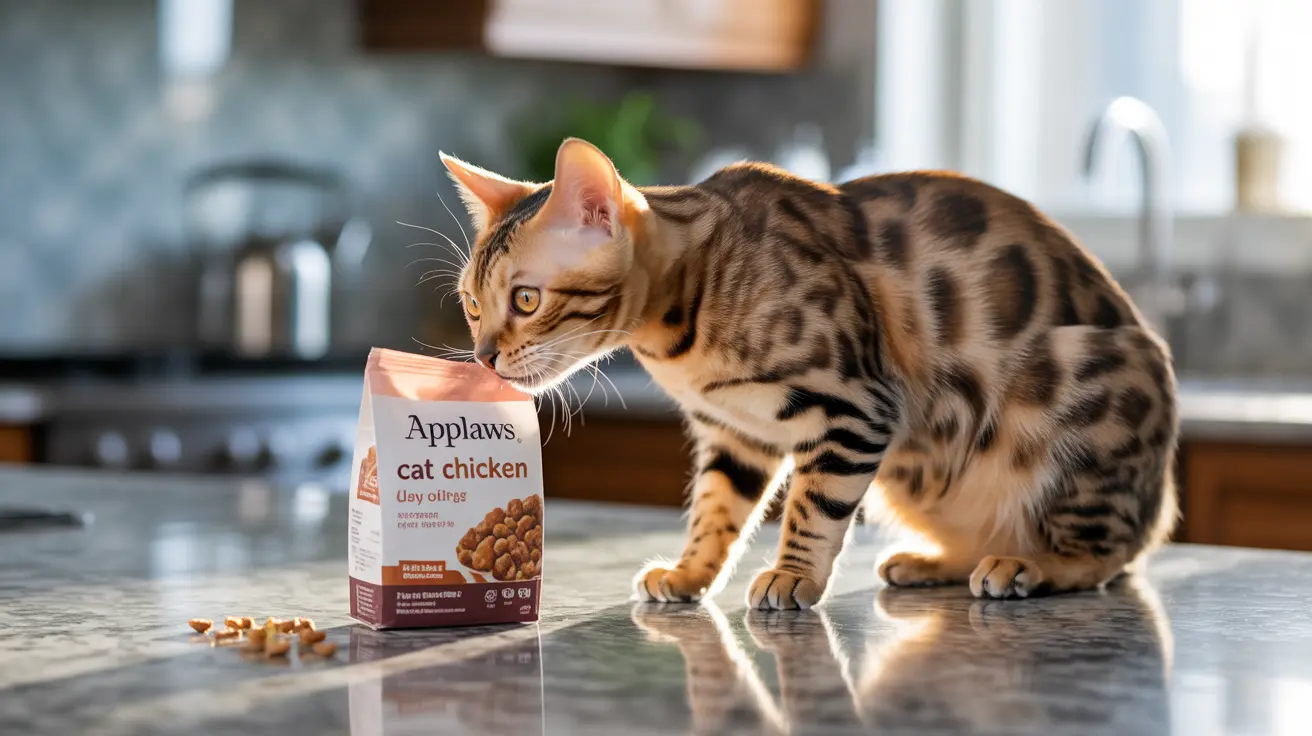
Cat food recalls can be stressful for pet owners, especially when they involve brands that many trust. A recent recall affecting Applaws cat food has raised questions about what happened, which products are impacted, and how cat parents should respond. Understanding the facts helps you protect your cat’s health and avoid potential risks. For complete recall details and affected batches, see Applaws cat food recall facts.
Why the Recall Happened
Product recalls usually occur when a manufacturer or regulatory body identifies a safety issue that could harm pets. In the case of the Applaws recall, concerns were raised about possible contamination or mislabeled ingredients that could lead to health problems in cats. Food safety protocols require companies to act quickly once a risk is identified, pulling affected products off shelves and informing the public. It’s important for cat owners to understand that a recall does not necessarily mean every product from a brand is unsafe, but that specific batches must be avoided.
Signs of Illness to Watch For
If your cat consumed recalled Applaws food, watching for symptoms of illness is essential. Signs of food‑related problems can vary but often include vomiting, diarrhea, loss of appetite, lethargy, excessive drooling, or changes in urination habits. Some cats may show subtle changes before more obvious symptoms develop. If you notice anything unusual, contact your veterinarian promptly — early intervention can make a significant difference in outcomes.
How to Check If Your Product Is Affected
Manufacturers typically provide lot numbers, best‑by dates, and product codes to help consumers determine if their food is part of a recall. Always check your packaging carefully and compare the information with official recall notices. If you are unsure whether your product is affected, stop feeding it to your cat until you can verify its safety. Retailers and manufacturers often set up dedicated hotlines or web pages where you can input codes to confirm status.
What to Do With Recalled Food
Do not feed recalled food to your cat. You can dispose of it safely or return it to the point of purchase for a refund if that option is offered. Keep the packaging until you confirm how it should be handled, as some recalls require special disposal or notification to authorities. Reporting any health issues to the brand and your vet helps track the recall’s impact and prevents other pets from getting sick.
Immediate Care for Cats Exhibiting Symptoms
If your cat shows signs of illness after eating recalled food, schedule a veterinary visit right away. Your vet may recommend tests such as blood work, fecal analysis, or imaging to assess your cat’s condition. Supportive care — including hydration therapy, anti‑nausea medication, or dietary changes — can help manage symptoms while the body recovers. Follow your vet’s guidance closely, and keep them updated on any changes in your cat’s condition.
For general advice on pet nutrition, food safety, and monitoring your cat’s wellbeing, visit PetsCare.
How Recalls Are Reported and Tracked
Food recalls are often tracked by national regulatory agencies and pet food monitoring organizations. These entities work with manufacturers to ensure timely communication to the public. Pet owners can sign up for email alerts or follow relevant government sites to stay informed about recalls. Understanding how recalls are communicated helps you respond quickly when issues arise.
Impact on Cat Health and Nutrition
Food recalls can affect more than just short‑term illness — they can also disrupt nutritional balance if your cat suddenly stops eating familiar food. It’s important to transition to a safe alternative that meets your cat’s dietary needs. Your veterinarian can recommend suitable replacement diets that avoid allergens or sensitivities, while still providing complete nutrition. Maintaining consistent calorie intake and nutrient balance supports your cat’s recovery.
Preventing Future Issues
To minimize the risk of recall‑related problems in the future, consider these proactive steps:
- Store cat food in cool, dry places to prevent spoilage.
- Buy from reputable retailers with good turnover to reduce the chance of old stock.
- Rotate food supplies so older batches are used first.
- Keep detailed records of brands, lot numbers, and purchase dates.
Being organized helps you act quickly if another recall happens.
Understanding Pet Food Labels
Reading food labels helps you know what you’re feeding your cat. Look for clear ingredient lists, guaranteed analysis, and assembly information. Ingredients should meet your cat’s nutritional needs, and reputable brands will provide transparency about sourcing and quality control. Knowing how to interpret labels makes it easier to spot inconsistencies that might signal a problem.
Speaking with Your Veterinarian About Diet
Your veterinarian is your best resource for personalized nutrition advice. They can assess your cat’s health status, recommend diets tailored to age or medical conditions, and guide safe transitions between foods. If your cat has special dietary needs due to allergies, kidney issues, or weight management, your vet can help select foods that support long‑term health.
Supporting Your Cat Emotionally
Food issues can be stressful for cats, especially if they experience digestive upset or changes in routine. Offering a calm feeding environment, sticking to regular meal times, and using familiar bowls or placemats helps reduce anxiety. Monitor changes in behavior that might indicate discomfort or food aversion, and discuss them with your veterinarian.
How Recall Information Reaches Owners
Recall information reaches pet owners through brand announcements, regulatory agency updates, retailer notifications, and news outlets. Social media has increased the speed at which recall news spreads, but it’s important to verify information through official sources. Misinformation can cause unnecessary panic, so rely on reputable communication channels for accurate details.
What Pet Brands Do After a Recall
After a recall, brands typically investigate the cause, implement corrective measures, and update quality control procedures to prevent reoccurrence. They may also offer compensation or replacement products to affected customers. Transparency about what went wrong and how it is being fixed builds trust and helps pet owners feel confident about future products.
Conclusion: Staying Informed and Prepared
Food recalls are unsettling, but informed action can protect your cat’s health. By checking product codes, monitoring symptoms, consulting your veterinarian, and staying updated on recall notices, you can respond effectively when issues arise. Understanding pet nutrition and food safety empowers you to make the best choices for your cat’s wellbeing.
Keep an eye for more latest news & updates on Magazine Highlight!